Introduction
Water conservation is more important than ever, especially in today's world where every drop counts. If you're looking to save on your water bill and contribute to environmental sustainability, pairing a Smart Water Box with other water conservation technologies is an excellent approach. In this article, we will explore how to integrate these technologies effectively while focusing on budget-friendly solutions.
Understanding the Smart Water Box
The Smart Water Box is a revolutionary device designed to monitor and manage your water usage. It provides real-time data about your water consumption, allowing you to identify leaks, track usage patterns, and optimize your water usage. This technology can significantly reduce your water bill and promote responsible water use.
Benefits of Using a Smart Water Box
- Real-Time Monitoring: Get instant feedback on your water usage.
- Leak Detection: Identify leaks quickly to prevent water waste.
- Usage Analytics: Understand your consumption habits and make informed changes.
- Cost Savings: Reduce your monthly water bill through better management.
Complementary Technologies for Enhanced Water Conservation
To maximize the benefits of the Smart Water Box, consider integrating it with other water conservation technologies. Here are some cost-effective options:
1. Rainwater Harvesting Systems
Rainwater harvesting is an excellent way to utilize natural resources and reduce overall water consumption. By collecting rainwater from your roof and directing it to a storage tank, you can use it for irrigation, flushing toilets, and even washing clothes.
- Use affordable rain barrels or DIY systems to keep costs low.
- Install a simple filtration system to ensure the water is clean for use.
- Connect the harvesting system to your Smart Water Box for comprehensive monitoring.
2. Low-Flow Fixtures
Low-flow faucets, showerheads, and toilets are designed to reduce water usage without sacrificing performance. These fixtures can be installed easily and are often available at budget-friendly prices.
- Look for fixtures with the WaterSense label, which guarantees efficiency.
- Consider DIY installation to save on professional plumbing fees.
- Pair these fixtures with your Smart Water Box to track savings and usage.
3. Smart Irrigation Systems
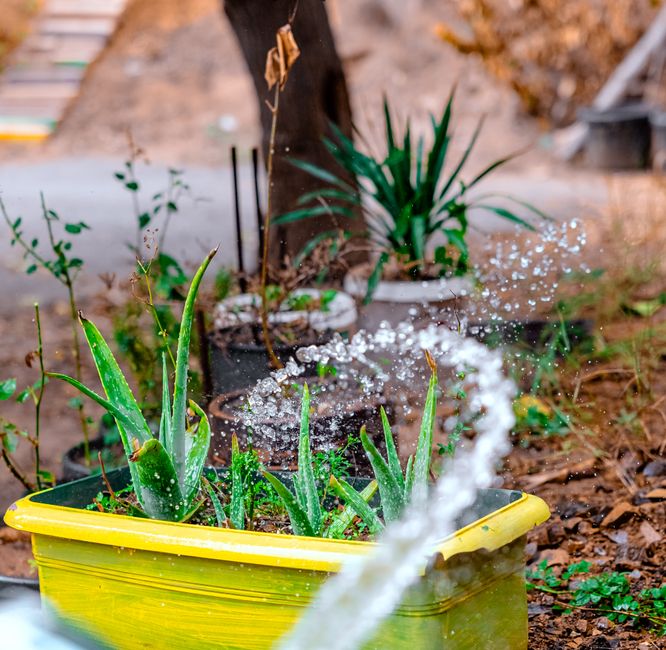
For those with gardens or lawns, a smart irrigation system can help you water your plants more efficiently. These systems often come with sensors that measure soil moisture and weather conditions, ensuring that your garden receives the right amount of water.
- Invest in a simple drip irrigation system for targeted watering.
- Combine it with your Smart Water Box to monitor outdoor water usage.
- Look for affordable options that can be expanded over time.
4. Gray Water Recycling Systems
Gray water recycling involves repurposing water from sinks, showers, and washing machines for non-potable uses like irrigation. Installing a gray water system can be more complex, but it is a long-term solution that pays off.
- Research local regulations regarding gray water use.
- Consider DIY options to keep costs down.
- Integrate this system with your Smart Water Box to monitor the amount of gray water repurposed.
Cost-Saving Tips for Integrating Technologies
Here are some tips to keep your project budget-friendly while still achieving effective water conservation:
- Research Grants and Incentives: Many local governments offer incentives for water conservation technologies. Check for rebates or tax credits that can offset your costs.
- Shop Smart: Look for sales, second-hand options, or DIY materials for your water conservation projects.
- Do It Yourself: Many of these systems can be installed with basic tools and skills. Tutorials from resources like Ted Water DIY can guide you through the process.
- Plan Ahead: Prioritize which technologies will have the most significant impact on your water usage and budget. Start with the most critical systems and expand over time.
Conclusion
Integrating a Smart Water Box with other water conservation technologies can lead to significant savings and a reduced environmental footprint. By being resourceful and utilizing affordable materials, you can create a comprehensive water conservation strategy that works for your home. Whether you opt for rainwater harvesting, low-flow fixtures, smart irrigation, or gray water recycling, the key is to monitor your usage and make adjustments over time. Remember, every drop counts, and your efforts can make a difference!
FAQ
What is the Smart Water Box?
The Smart Water Box is a device that helps monitor and manage water usage in real-time, allowing homeowners to track consumption, detect leaks, and optimize water use.
How can I save money while implementing water conservation technologies?
Look for local grants, purchase second-hand materials, opt for DIY installations, and prioritize systems that will provide the most significant savings.
Where can I find plans for building water conservation systems?
Ted Water DIY offers a variety of plans and resources for building effective water conservation systems, making it easier for you to get started on your projects.
📚 Related Articles
🔨 Want 16,000+ Water DIY Plans?
Get instant access to step-by-step plans with blueprints and cut lists.
Get Instant Access →