Introduction
Access to safe drinking water is a vital necessity, yet many people overlook its importance until a problem arises. With rising water contamination concerns, the need for effective water purification methods has never been more crucial. Fortunately, you don’t need to spend a fortune to ensure your drinking water is safe. In this article, we’ll explore budget-friendly DIY techniques, including the innovative Smart Water Box, to help you purify your water without breaking the bank.
The Importance of Water Purification
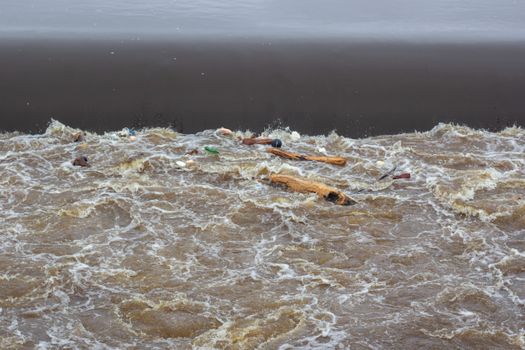
Water pollution comes from various sources, including agricultural runoff, industrial waste, and even aging pipes. Contaminated water can lead to significant health issues, making it essential to invest in purification methods. By taking a DIY approach, you can save money while ensuring your family has access to clean water.
Understanding Water Contaminants
Before diving into purification methods, it's essential to understand the types of contaminants you may face:
- Biological Contaminants: Bacteria, viruses, and parasites.
- Chemical Contaminants: Heavy metals, pesticides, and industrial pollutants.
- Physical Contaminants: Sediment and debris.
DIY Water Purification Techniques
1. Boiling
One of the simplest and most effective methods to purify water is by boiling it. Here’s how:
- Bring the water to a rolling boil for at least one minute.
- If you're at higher elevations, boil for three minutes to ensure effectiveness.
- Allow the water to cool before storing it in clean containers.
2. Activated Carbon Filters
Activated carbon is excellent at removing chemical contaminants and improving taste. You can create a simple activated carbon filter:
- Materials Needed: Plastic bottle, activated carbon, sand, gravel, and a clean cloth.
- Cut the bottom off a plastic bottle and place a clean cloth at the neck to filter out larger particles.
- Layer activated carbon, sand, and gravel inside the bottle to create a filtration system.
- Pour water through the filter and collect the purified water at the bottom.
3. Solar Water Purification
This method uses solar energy to purify water. It’s particularly useful in sunny climates:
- Fill a clear container with water and place it in direct sunlight.
- Cover it with plastic wrap, leaving a small opening for condensation.
- As the sun heats the water, impurities will evaporate and condense on the plastic wrap, collecting clean water in the container.
Introducing the Smart Water Box
In addition to DIY techniques, consider investing in a Smart Water Box. This innovative product combines advanced water purification technology with affordability. Here’s why it’s a great option:
- Multi-Stage Filtration: The Smart Water Box features multiple filtration stages to remove a wide range of contaminants.
- User-Friendly: It's easy to install and maintain, making it accessible for everyone.
- Cost-Effective: Compared to other high-end water purification systems, the Smart Water Box delivers excellent performance at a fraction of the cost.
Where to Find Plans and Resources
If you’re interested in building your own water purification systems, Ted Water DIY offers a wealth of plans and resources. Their comprehensive guides can help you create effective water filtration systems tailored to your needs.
Cost-Saving Tips for Water Purification
Here are some additional tips to ensure you can purify water without overspending:
- Repurpose Materials: Use old containers, bottles, and natural materials found around your home.
- Buy in Bulk: If you need specific materials like activated carbon, buy them in larger quantities to save money.
- Continuous Maintenance: Regularly check and maintain your DIY systems to extend their lifespan and effectiveness.
Conclusion
Ensuring safe drinking water doesn’t have to be expensive. By employing budget-friendly DIY techniques and considering products like the Smart Water Box, you can create a reliable water purification system at home. Remember to stay informed about the contaminants in your area and regularly maintain your purification methods for optimal safety.
FAQs
1. How often should I replace the filters in my DIY water filtration system?
It depends on the usage and water quality, but generally, you should replace filters every 3-6 months for optimal performance.
2. Can boiling water remove all contaminants?
Boiling is effective against biological contaminants but may not eliminate chemical pollutants. Combining methods is often the best approach.
3. Is the Smart Water Box suitable for all types of water sources?
Yes, the Smart Water Box is designed to work effectively with various water sources, including tap water, well water, and more.
📚 Related Articles
🔨 Want 16,000+ Water DIY Plans?
Get instant access to step-by-step plans with blueprints and cut lists.
Get Instant Access →