Introduction
When it comes to ensuring the quality of drinking water, many homeowners find themselves faced with a crucial decision: should they stick with tap water or invest in a DIY water filtration system? In this article, we will explore the benefits of a DIY water filtration system over traditional tap water, highlighting the tools you'll need and their pros and cons.
Why Choose a DIY Water Filtration System?
There are several compelling reasons to consider building your own water filtration system. Here are some of the most significant benefits:
- Improved Water Quality: DIY systems can effectively remove contaminants that may still be present in tap water.
- Cost-Effective: Over time, a DIY system can save you money compared to buying bottled water or using expensive filter replacements.
- Customization: You can tailor your filtration system to meet your specific needs, choosing the type of filtration media best suited for your local water quality.
- Environmental Impact: Reducing plastic waste from bottled water and minimizing energy use in water processing helps benefit the environment.
Common Contaminants in Tap Water
Before we delve deeper into the benefits and tools needed for a DIY filtration system, it's essential to understand what might be lurking in your tap water. Common contaminants include:
- Chlorine
- Heavy metals (like lead and mercury)
- Pesticides and herbicides
- Bacteria and viruses
- Fluoride
Tools Needed for Building a DIY Water Filtration System
Building your own water filtration system can be a rewarding project. Here are some essential tools and materials you will need:
1. Water Filter Housing
Pros: Provides a sturdy and durable structure for your filtration system.
Cons: May require an initial investment.
2. Activated Carbon Filters
Pros: Excellent at removing chlorine, volatile organic compounds (VOCs), and other impurities.
Cons: Needs regular replacement to maintain efficiency.
3. Sediment Filters
Pros: Removes larger particles like sand, silt, and rust, prolonging the life of the activated carbon filters.
Cons: May not remove smaller contaminants effectively.
4. Reverse Osmosis System (Optional)
Pros: Provides one of the highest levels of purification by removing up to 99% of contaminants.
Cons: Higher cost and requires more complex installation.
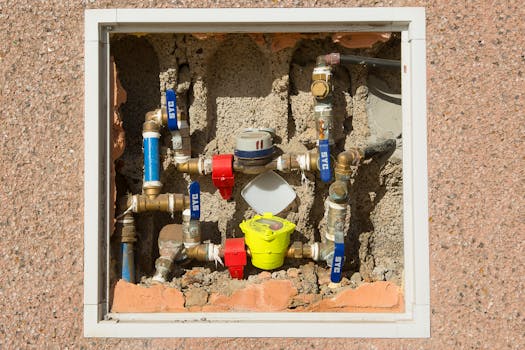
5. Tubing and Connectors
Pros: Essential for connecting different components of your filtration system.
Cons: The wrong size can lead to leaks and inefficiencies.
6. Pressure Gauge
Pros: Helps monitor the pressure in your system, ensuring it operates effectively.
Cons: Can add complexity to your setup.
Building Your DIY Water Filtration System
Once you have gathered the necessary tools and materials, the next step is to assemble your system. Here’s a simple step-by-step guide:
- Start by selecting a location for your system, ideally under your sink or in a utility area.
- Install the sediment filter to catch larger particles.
- Connect the activated carbon filter to remove chemicals and improve taste.
- If using a reverse osmosis system, install it after the carbon filter for maximum purification.
- Connect the tubing and ensure all connections are secure.
- Test your system and check for leaks.
Why Ted Water DIY is a Great Resource
If you're looking for plans and guidance on building your own water filtration system, Ted Water DIY is an excellent resource. They provide detailed plans, step-by-step instructions, and tips for customizing your filtration system based on your specific needs.
Conclusion
In conclusion, opting for a DIY water filtration system offers numerous benefits over relying on tap water. The ability to improve water quality, save money, customize your system, and minimize environmental impact make it an attractive option for many homeowners. With the right tools and resources, such as those found at Ted Water DIY, you can create a reliable and effective filtration system that meets your family's needs.
FAQ
1. How often should I replace my water filters?
It depends on the type of filter and the quality of your water, but generally, activated carbon filters should be replaced every 6 to 12 months, while sediment filters may last longer depending on usage.
2. Can I install a DIY water filtration system myself?
Yes, most DIY water filtration systems can be installed by homeowners with basic plumbing skills. However, always follow the manufacturer's instructions and consult resources like Ted Water DIY for guidance.
3. What is the cost of building a DIY water filtration system?
The cost can vary widely based on the components you select, but a basic system can range from $50 to $300. Investing in higher-quality components may increase the initial cost but can pay off in the long run.
📚 Related Articles
🔨 Want 16,000+ Water DIY Plans?
Get instant access to step-by-step plans with blueprints and cut lists.
Get Instant Access →