Introduction
\nAre you looking to create a reliable water filtration system at home? A DIY water filtration system can save you money while ensuring that you and your family have access to clean, safe drinking water. In this article, we will explore the best materials for building a long-lasting water filtration system. This guide is designed for beginners and focuses on simplicity, so you can start your DIY journey with confidence.
\n\nUnderstanding Water Filtration
\nBefore diving into materials, it's important to understand how water filtration works. A good filtration system removes contaminants from water, making it safe to drink. Common impurities include:
\n- \n
- Chlorine \n
- Heavy metals (like lead and mercury) \n
- Bacteria and viruses \n
- Sand, dirt, and sediment \n
To effectively filter these impurities, you will need the right materials.
\n\nEssential Materials for Your Water Filtration System
\nHere is a list of the best DIY materials you will need:
\n\n1. Water Container
\nA sturdy water container serves as the base of your filtration system. Consider using:
\n- \n
- Food-grade plastic bucket: Ensure it is BPA-free and suitable for storing drinking water. \n
- Glass jar: Ideal for smaller systems; glass is inert and won't leach chemicals. \n
- Stainless steel tank: Durable and resistant to corrosion; perfect for a long-lasting solution. \n
2. Filter Media
\nFilter media are the layers that remove contaminants. You will typically need:
\n- \n
- Activated charcoal: This is excellent for removing chlorine, bad odors, and organic compounds. Make sure to use food-grade activated charcoal. \n
- Sand: A layer of fine sand can trap small particles and sediment. \n
- Gravel: Use coarse gravel to support the sand layer and help with water flow. \n
- Filter fabric: This can be used to separate the different layers and prevent media from mixing. \n
3. Spigot or Faucet
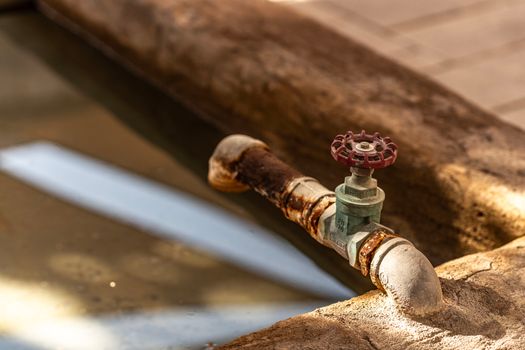
\nYou will need a way to access the filtered water. A spigot or faucet can be easily installed at the bottom of your container. Look for:
\n- \n
- Brass or plastic spigot: Make sure it is food-grade and easy to operate. \n
- Hose connector: If you want to connect the system to a hose or other water source. \n
4. Tubing and Connectors
\nIf your system involves multiple containers or needs to connect to a water source, you'll need:
\n- \n
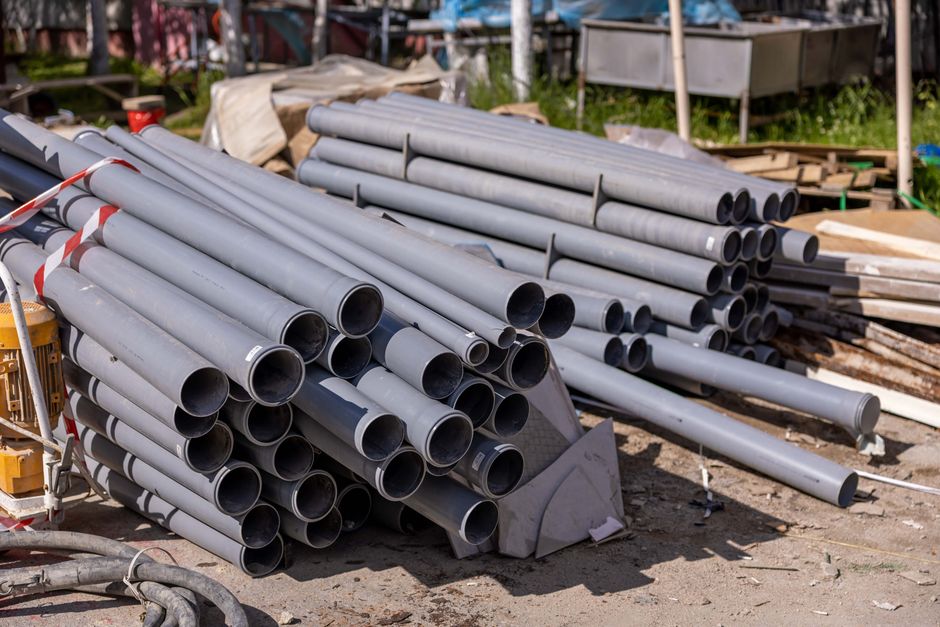
- Food-grade tubing: Ensure it is safe for drinking water. \n
- Connectors: These can help you join tubes and create a seamless flow of water. \n
5. Basic Tools
\nFinally, gather some basic tools for assembly:
\n- \n
- Drill: For making holes in your containers for the spigot and tubing. \n
- Utility knife: To cut tubing and filter fabric as needed. \n
- Measuring tape: To ensure precise measurements while cutting. \n
- Wrench: To tighten fittings securely. \n
Building Your Water Filtration System
\nWith your materials ready, follow these simple steps to build your own water filtration system:
\n- \n
- Prepare the Container: Clean your water container thoroughly. If using a bucket, drill a hole near the bottom for the spigot. \n
- Install the Spigot: Insert the spigot into the hole. Use a wrench to ensure it is tight and secure. \n
- Add Filter Fabric: Place a piece of filter fabric at the bottom of the container to prevent filter media from escaping. \n
- Layer the Filter Media: Start with gravel at the bottom, followed by sand, and finally top it off with activated charcoal. \n
- Close the System: If using multiple containers, connect them with food-grade tubing to ensure water flows from one layer to another. \n
- Test Your System: Run water through the system and check for any leaks. Collect the filtered water to ensure it is clear. \n
For detailed plans and further guidance, consider visiting Ted Water DIY to access a variety of resources.
\n\nMaintenance Tips
\nTo ensure your water filtration system lasts, follow these maintenance tips:
\n- \n
- Regularly change the filter media every 6 months or as needed. \n
- Clean the container and spigot periodically to prevent bacterial growth. \n
- Test your filtered water for impurities to ensure effectiveness. \n
Conclusion
\nBuilding a long-lasting water filtration system is a rewarding DIY project that can provide clean drinking water for you and your family. By using the right materials and following the steps outlined above, you can create a reliable system with minimal tools. Remember, proper maintenance is key to ensuring its longevity. Happy DIYing!
\n\nFAQ
\n- \n
- How often should I replace the filter media? It is recommended to replace the filter media every 6 months, but check for signs of decreased water quality. \n
- Can I use rainwater with this system? Yes, you can use rainwater, but make sure to filter it properly to remove any debris and contaminants. \n
- Is it necessary to test the filtered water? Yes, testing the water ensures that the filtration system is functioning effectively and providing safe drinking water. \n
📚 Related Articles
🔨 Want 16,000+ Water DIY Plans?
Get instant access to step-by-step plans with blueprints and cut lists.
Get Instant Access →