Understanding Rainwater Harvesting
Rainwater harvesting is an eco-friendly practice that helps conserve water while providing a sustainable source for gardening, irrigation, and other household needs. By collecting rainwater, homeowners can reduce their reliance on municipal supplies and lower their utility bills. To maximize the effectiveness of your rainwater harvesting system, it is crucial to understand the optimal times for harvesting and how to employ advanced techniques using a Smart Water Box.
Choosing the Right Time for Harvesting Rainwater
The effectiveness of rainwater harvesting is largely dependent on weather patterns, so timing is essential. Here are some factors to consider when determining the best time to harvest rainwater:
1. Seasonal Patterns
- Spring and Summer: These seasons typically bring more frequent rain showers, making them ideal times for harvesting. The increased rainfall can help fill your storage systems quickly.
- Fall: In many regions, fall can also provide good rainwater collection opportunities, especially before the onset of winter.
- Winter: Depending on your climate, winter may offer limited rainfall. However, areas with milder winters may still experience beneficial precipitation.
2. Weather Forecasts
Keeping an eye on local weather forecasts can help you prepare for upcoming rain events. This allows you to ensure that your Smart Water Box and other collection systems are ready to capture as much water as possible. Use weather apps or websites to track precipitation predictions and plan accordingly.
3. Rain Events
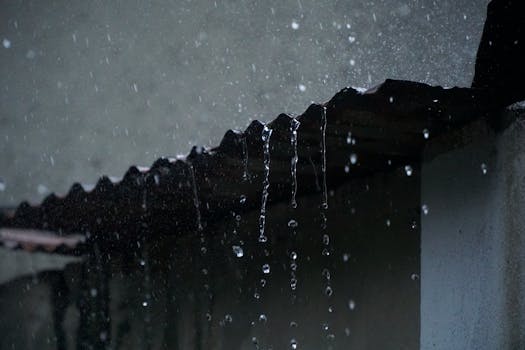
Heavy rain events are the most productive for harvesting. However, it’s important to consider the timing of these events. Early in the rain, the first few minutes of rainfall may wash away debris and contaminants from your roof and gutters. For optimal collection:
- Implement a first-flush diverter to discard the initial runoff.
- Ensure your gutters and downspouts are clean and free of blockages before expected rain events.
Utilizing a Smart Water Box
The Smart Water Box is a sophisticated rainwater collection system designed to maximize efficiency and ensure a professional finish in your rainwater harvesting efforts. Here are some advanced techniques to use this system effectively:
1. Professional Installation Techniques
Precision in installation is key to maximizing your Smart Water Box's effectiveness. Follow these steps for a seamless setup:
- Site Preparation: Choose a flat, stable area for installation. Ensure the ground is well-drained to prevent flooding around the box.
- Joinery: Use high-quality materials and precise joinery techniques. Consider utilizing interlocking joints for a sturdy structure that can withstand weather elements.
- Sealing: Apply weather-resistant sealants around all joints and connections to prevent leaks and improve longevity.
2. Smart Water Box Features
The Smart Water Box comes with several innovative features designed to enhance your rainwater harvesting experience:
- Filtration System: This system helps to remove contaminants before the water is stored, ensuring that the harvested rainwater is clean and safe for use.
- Overflow Management: The Smart Water Box has an integrated overflow system that prevents flooding by redirecting excess water away from the box.
- Smart Monitoring: Utilize smart monitoring features to track water levels and quality, allowing for timely maintenance and effective usage.
3. Maintenance Tips for Longevity
To maintain the efficiency of your Smart Water Box, regular maintenance is essential:
- Inspect and Clean: Regularly check the filtration system and clean it as needed to ensure optimal performance.
- Check for Leaks: Periodically inspect all joints and connections for any signs of leaks and seal them promptly.
- Winter Preparation: If you live in colder climates, prepare your system for winter by draining and insulating the Smart Water Box to prevent freezing.
Conclusion
Harvesting rainwater can significantly contribute to sustainable living, and using tools like the Smart Water Box can enhance efficiency and effectiveness. By understanding the best times to harvest and employing advanced techniques, you can optimize your rainwater harvesting system and enjoy its benefits for years to come. For more detailed plans on building your own rainwater harvesting system, visit Ted Water DIY.
FAQ
What is the best time of year to start harvesting rainwater?
The best time to start harvesting rainwater is during the rainy seasons, typically spring and summer, when precipitation is most frequent.
Can I use harvested rainwater for drinking?
Yes, but only if you properly filter and treat the water to meet health standards. It's advisable to consult local regulations regarding potable water standards.
How can I improve the efficiency of my rainwater harvesting system?
To improve efficiency, ensure your collection area (like roofs) is clean, use a first-flush diverter, and maintain your storage systems regularly.
📚 Related Articles
🔨 Want 16,000+ Water DIY Plans?
Get instant access to step-by-step plans with blueprints and cut lists.
Get Instant Access →