Introduction
Rainwater harvesting is an eco-friendly practice that not only conserves water but can also significantly reduce your water bills. With the right techniques, you can collect and purify rainwater for various uses, including irrigation and even potable water. The Smart Water Box is an excellent tool for this purpose, making rainwater purification more accessible and efficient. In this article, we will explore the top DIY techniques for rainwater purification using the Smart Water Box, focusing on cost-saving tips and affordable materials.
Understanding the Smart Water Box
The Smart Water Box is a compact, easy-to-use system designed to purify collected rainwater effectively. It employs a combination of filters and UV light to eliminate contaminants, making the water safe for consumption. Here’s how to get started on your DIY rainwater purification project.
1. Setting Up Your Rainwater Harvesting System
Before diving into purification, you need to establish an efficient rainwater harvesting system. Here are the basic components:
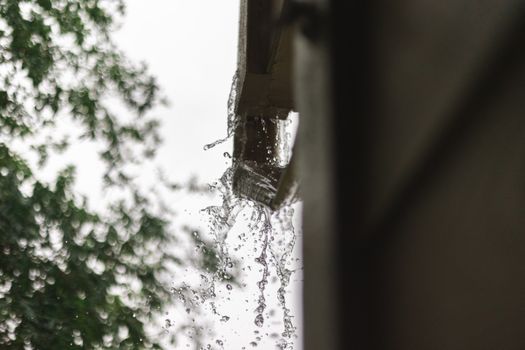
- Gutters: Ensure your roof gutters are clean and properly sloped to direct rainwater into your collection system.
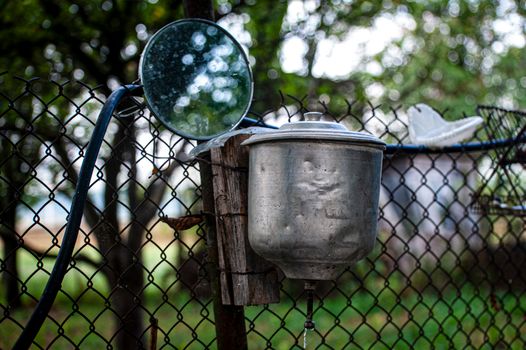
- Storage Tank: A rain barrel or tank that is food-grade and UV-resistant is essential. Look for affordable options at local hardware stores or consider repurposing old containers.
- First Flush Diverter: This device helps to divert the initial dirty water from the roof away from your storage container. You can create a DIY diverter with PVC pipes.
2. Basic Filtration Techniques
Once you've harvested rainwater, the first step in purification is filtration. Here are some DIY filtration techniques:
- Mesh Filters: Use a fine mesh filter at the entrance of your storage tank to catch leaves and debris. You can purchase inexpensive mesh filters or make your own using nylon fabric.
- Activated Carbon Filter: Incorporate an activated carbon filter in your purification system. You can DIY one using a plastic container filled with activated charcoal, which you can buy in bulk for savings.
- Sand and Gravel Filtration: Create a multi-layered filter using sand, gravel, and charcoal in a large container. This method is cost-effective and can significantly improve water quality.
3. Using the Smart Water Box for Advanced Purification
After initial filtration, the Smart Water Box can take purification to the next level:
- UV Light Treatment: The Smart Water Box uses UV light to kill bacteria and viruses. Ensure that the UV light is functioning optimally for best results.
- Regular Maintenance: Keep the Smart Water Box clean and check the filters regularly. Replacing or cleaning filters can save you money in the long run.
- Monitor Water Quality: Test your water quality periodically using inexpensive test kits available at hardware stores. This will help you maintain safe drinking water standards.
4. Cost-Saving Tips for DIY Rainwater Purification
Building your rainwater purification system does not have to be expensive. Here are some budget-friendly tips:
- Repurpose Materials: Look around your home for materials that can be reused, such as old buckets, containers, and pipes.
- Buy in Bulk: Purchase materials like activated carbon and filtration media in bulk to save money.
- DIY Instructions: Utilize resources like Ted Water DIY for detailed plans and guides on building your purification system.
- Local Community Resources: Check with local community centers or gardening clubs. They may offer workshops or resources on rainwater harvesting.
5. Implementing a Maintenance Routine
A well-maintained rainwater purification system will yield the best results. Here’s how to keep your system in top shape:
- Regular Cleaning: Clean gutters and storage tanks at least twice a year to prevent contamination.
- Inspect Filters: Check filters every few months and replace them as needed to ensure effective purification.
- Monitor Water Levels: Ensure your storage tank does not overflow during heavy rains. Install an overflow pipe connected to a drainage system.
Conclusion
Purifying rainwater using DIY techniques with the Smart Water Box is a practical and cost-effective way to harness nature’s resource. By following the tips outlined in this article, you can create an efficient system that not only saves money but also promotes sustainability. Remember, proper maintenance and regular monitoring are crucial for ensuring the safety and quality of your purified rainwater.
FAQ
1. Is rainwater safe to drink after purification?
Yes, after proper filtration and UV treatment with the Smart Water Box, rainwater can be safe to drink. Regular testing is recommended to ensure water quality.
2. How often should I clean my rainwater collection system?
It's advisable to clean your gutters and storage tanks at least twice a year, and check filters every few months for optimal performance.
3. Can I use any type of container for rainwater storage?
Use food-grade, UV-resistant containers for storing rainwater to prevent leaching of harmful substances into the water.
📚 Related Articles
🔨 Want 16,000+ Water DIY Plans?
Get instant access to step-by-step plans with blueprints and cut lists.
Get Instant Access →