Introduction
Rainwater harvesting is an eco-friendly practice that not only conserves water but also reduces your utility bills. A rainwater purification system allows you to use collected rainwater safely for irrigation, washing, or even drinking after proper treatment. In this guide, we will walk you through building a rainwater purification system using the innovative Smart Water Box, along with the essential tools and materials you'll need.
What is a Smart Water Box?
The Smart Water Box is a sophisticated rainwater filtration and purification device designed to ensure that harvested rainwater is clean and safe for various uses. It employs advanced filtration technology that removes impurities, sediment, and potentially harmful microorganisms.
Tools and Materials Needed
Before you start your DIY project, gather the following tools and materials:
- Drill: A high-quality drill is essential for making holes in various materials.
- Wrenches: You will need adjustable wrenches to tighten fittings securely.
- Screwdriver Set: A variety of screwdrivers will help you with assembly.
- Level: To ensure your installation is straight and properly aligned.
- Measuring Tape: For accurate measurements when cutting pipes or installing components.
- Hose Clamps: To secure hoses and pipes tightly, preventing leaks.
- PVC Pipes and Fittings: These are crucial for connecting the system components.
- Smart Water Box: The heart of your purification system.
- Adapters and Connectors: Depending on your setup, you may need various adapters to connect different pipe sizes.
- Water Testing Kit: To test the quality of your purified water.
Recommended Tools Review
1. Drill
Pros: Versatile and essential for multiple tasks. Cordless options provide mobility.
Cons: Higher-end models can be expensive; battery life may vary.
2. Wrenches
Pros: Adjustable wrenches allow you to work with various sizes of nuts and bolts.
Cons: They can be bulky; consider a set of smaller wrenches for tight spaces.
3. Screwdriver Set
Pros: A set provides multiple sizes and types, making it easier to work with different fasteners.
Cons: Some sets may not include specialty screwdrivers needed for specific tasks.
4. Level
Pros: Ensures your system is installed properly, preventing drainage issues.
Cons: Traditional levels can be cumbersome; consider a laser level for ease of use.
Steps to Build Your Rainwater Purification System
Step 1: Assemble Your Collection System
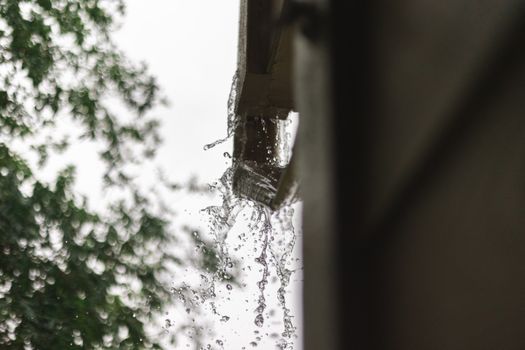
Start by installing a rainwater collection system. This typically includes gutters and downspouts that direct rainwater into a storage tank. Make sure your gutters are clean and free of debris to maximize water collection.
Step 2: Install the Smart Water Box
Follow the manufacturer's instructions to attach the Smart Water Box to your rainwater storage tank. This device will act as your primary filtration system:
- Position the Smart Water Box where it can easily connect to your storage tank.
- Use PVC pipes to create the necessary connections, ensuring all fittings are secure with hose clamps.
Step 3: Connect Additional Filtration Systems (Optional)
If desired, you can enhance your system with additional filtration components such as sediment filters or UV purifiers. These can be installed in line with the Smart Water Box for extra protection against contaminants.
Step 4: Test Your Water
Once the system is set up, use a water testing kit to check the quality of the purified water. This step is crucial, especially if you intend to use the water for drinking purposes.
Maintenance Tips
To ensure your rainwater purification system remains effective, follow these maintenance tips:
- Regularly clean the gutters and downspouts.
- Inspect the Smart Water Box and replace filters as needed.
- Check for leaks in your plumbing connections.
Resources for Further Assistance
If you need more detailed plans or assistance, consider visiting Ted Water DIY. They offer a wealth of resources and plans to guide you through similar DIY projects.
Conclusion
Building a rainwater purification system with a Smart Water Box is a rewarding project that contributes to sustainability and resource conservation. With the right tools and a bit of effort, you can enjoy clean, harvested rainwater for various uses.
FAQ
1. How often should I clean the Smart Water Box?
It is recommended to check and clean the Smart Water Box regularly, at least every six months, or more frequently if you notice reduced water flow.
2. Can I use rainwater for drinking?
Yes, but it is essential to ensure proper filtration and purification through systems like the Smart Water Box. Testing water quality is crucial before consumption.
3. What is the lifespan of the filters in the Smart Water Box?
The lifespan of filters varies depending on usage and local water quality but typically lasts between 6 months to 1 year. Check the manufacturer's guidelines for specific recommendations.
📚 Related Articles
🔨 Want 16,000+ Water DIY Plans?
Get instant access to step-by-step plans with blueprints and cut lists.
Get Instant Access →