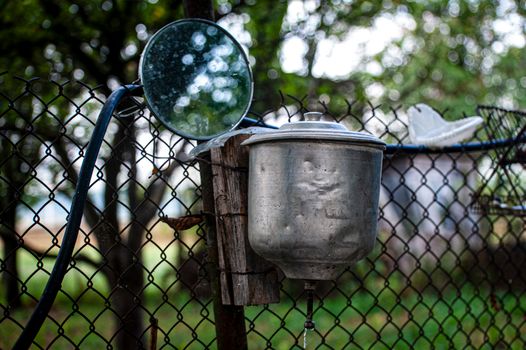
Introduction to Rainwater Harvesting
Rainwater harvesting is an effective way to collect and use water for various purposes, such as irrigation, washing, and even drinking. With the right systems in place, you can purify rainwater at home, making it a sustainable and cost-effective resource. In this guide, we will explore how to use a Smart Water Box to purify rainwater while keeping costs low.
What is a Smart Water Box?
The Smart Water Box is a compact, efficient water purification system designed for home use. It utilizes advanced filtration technology to remove contaminants from rainwater, making it safe for consumption. With a focus on affordability, the Smart Water Box is an excellent choice for those looking to purify rainwater without breaking the bank.
Benefits of Purifying Rainwater
- Cost savings: Using rainwater can significantly reduce your water bill.
- Environmental impact: Reducing reliance on municipal water helps conserve natural resources.
- Self-sufficiency: Harvesting your own water gives you greater control over your supply.
- Quality water: When properly purified, rainwater can be cleaner than tap water.
How to Set Up Your Rainwater Harvesting System
Before you can purify rainwater, you need to set up a harvesting system. Here’s how to do it on a budget:
Materials Needed
- Gutters and downspouts
- Rain barrel or storage tank
- Smart Water Box
- Mesh filter or screen
- Hoses and connectors
- Basic tools (screwdriver, wrench, etc.)
Steps to Set Up Your Harvesting System
- Install Gutters: Ensure your roof is equipped with gutters to channel rainwater into your storage system. Use affordable vinyl or metal gutters to save costs.
- Connect Downspouts: Direct downspouts into your rain barrel or storage tank. Make sure to use connectors that fit snugly to prevent leaks.
- Set Up the Smart Water Box: Place the Smart Water Box close to your storage tank, ensuring easy access for maintenance. Follow the manufacturer's instructions for installation.
- Add a Mesh Filter: Install a mesh filter at the entry point of the rain barrel to prevent debris from entering the system. This is a low-cost addition that can improve water quality.
Purifying Rainwater with the Smart Water Box
Once your harvesting system is in place, it's time to purify the collected rainwater using the Smart Water Box. Here's how:
Understanding the Purification Process
The Smart Water Box uses a multi-stage filtration process, which typically includes:
- Pre-filtration: Removes larger particles and debris.
- Activated Carbon Filter: Absorbs chemicals and improves taste.
- Reverse Osmosis: Eliminates smaller contaminants, including bacteria and viruses.
- Post-filtration: Provides additional purification for any residual contaminants.
Operating the Smart Water Box
- Fill the Smart Water Box: Connect it to your rain barrel using hoses. Ensure a tight seal to prevent leaks.
- Monitor Water Quality: Keep an eye on the water's clarity and odor. If you notice any issues, check the filters for clogs and replace them as needed.
- Test the Water: Consider using a water testing kit to ensure your purified rainwater meets safety standards.
Cost-Saving Tips for Rainwater Harvesting
To make your rainwater harvesting system even more budget-friendly, consider the following tips:
- DIY Installation: Save on labor costs by installing the gutters and Smart Water Box yourself.
- Use Recycled Materials: Look for second-hand barrels or containers that can be repurposed as rainwater storage.
- Shop Sales: Purchase equipment during sales or consider local co-ops for discounts on supplies.
- Regular Maintenance: Keep your system clean and well-maintained to avoid costly repairs in the future.
Conclusion
Purifying rainwater at home using a Smart Water Box is an achievable and budget-friendly project. By following the steps outlined in this guide and utilizing cost-saving tips, you can harvest and purify rainwater effectively. For more DIY plans and resources, check out Ted Water DIY for inspiration and detailed guides.
Frequently Asked Questions
1. Is rainwater safe to drink after purification?
Yes, when properly purified using a good filtration system like the Smart Water Box, rainwater can be safe to drink. However, regular testing and maintenance are essential.
2. How often should I replace the filters in the Smart Water Box?
Filter replacement depends on usage, but it's generally recommended to check and replace them every 6-12 months to ensure optimal performance.
3. Can I use rainwater for other purposes besides drinking?
Absolutely! Purified rainwater can be used for irrigation, cleaning, washing clothes, and flushing toilets, making it a versatile resource.
📚 Related Articles
🔨 Want 16,000+ Water DIY Plans?
Get instant access to step-by-step plans with blueprints and cut lists.
Get Instant Access →