How to Store Emergency Water Supply at Home: A Comprehensive Guide
In an unpredictable world, having a reliable emergency water supply at home is essential for ensuring your family's safety and preparedness. Whether it's due to natural disasters, plumbing issues, or other emergencies, being equipped with an adequate water supply can make all the difference. In this article, we will explore how to properly store emergency water at home, offering practical tips and guidelines to help you prepare effectively.
Step-by-Step Guide to Storing Emergency Water
Storing water for emergencies requires careful planning and execution. Follow these steps to ensure your emergency water supply is safe and effective:
1. Determine Your Water Needs
Consider how much water you will need for your household. The general recommendation is at least one gallon of water per person per day. For a family of four, that means a minimum of 12 gallons for three days.
2. Choose the Right Containers
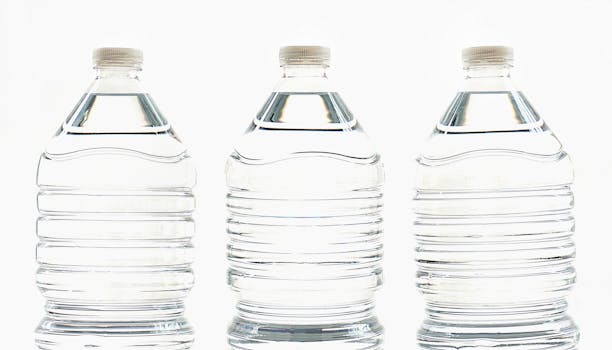
When it comes to best containers for emergency water storage, opt for food-grade plastic bottles or containers specifically designed for water storage. Avoid containers that previously held chemicals or non-food liquids.
- 5-gallon water jugs
- Food-grade plastic bottles
- Mylar bags with oxygen absorbers
3. Purify Your Water
Before storing, it's crucial to purify your water to eliminate any contaminants. You can use water purification tablets, boiling, or a reliable water filtration system to ensure your water is safe for long-term storage.
4. Fill and Seal Containers
Fill your containers with purified water, leaving a little space at the top to allow for expansion if freezing occurs. Seal them tightly to prevent contamination.
5. Label Your Containers
Clearly label each container with the date of storage. This will help you keep track of how long the water has been stored.
6. Find Suitable Storage Locations
Identify where to store emergency water in your home. Ideal locations are cool, dark places away from direct sunlight, such as a basement or pantry. Avoid storing water near chemicals or fuels that could contaminate it.
7. Maintain Your Emergency Water Supply
To ensure your supply remains safe, follow these tips for maintaining emergency water supply:
- Check your water supply every six months.
- Rotate your supply by replacing older water with fresh water.
- Use a SmartWaterBox for efficient and safe water storage solutions.
Practical Tips for Water Conservation
In addition to storing water, practicing water conservation can help ensure you have enough during emergencies. Here are some effective strategies:
- Fix leaks in your plumbing.
- Use water-saving fixtures in your home.
- Collect rainwater where legal and feasible.
Frequently Asked Questions (FAQs)
1. How long can you store water for emergencies?
Stored water can last indefinitely if kept in proper conditions. However, it's recommended to replace the water every six months to ensure freshness.
2. How do I rotate my emergency water supply?
To rotate your supply, simply replace the oldest containers with fresh water every six months. Make this a part of your emergency preparedness routine.
3. What are some DIY projects for emergency water storage?
For those interested in DIY home projects, lovewoodcraft.com and lovehomediy.com offer creative solutions for building custom water storage solutions that suit your home.
Conclusion
Storing an emergency water supply at home is a critical component of emergency preparedness. By following the step-by-step guide outlined above and incorporating practical tips for maintenance and conservation, you can ensure that your family is well-equipped for any situation. Remember, the key to successful long-term water storage lies in proper preparation and regular maintenance. Stay safe, stay prepared!
💧 Want Clean Water Anywhere?
SmartWaterBox gives you a complete DIY water solution — portable, reliable, and easy to set up for your home, workshop, or off-grid living.
Get Instant Access →