What is the Best Water Purification Method for Emergency Situations?
Access to clean water is crucial during emergencies, whether it's a natural disaster, a power outage, or any situation that disrupts your regular water supply. Knowing how to purify water effectively can mean the difference between health and illness. In this guide, we will explore the best water purification methods suitable for emergency situations, focusing on simplicity and the basic tools you may already have at home.
Why Water Purification is Important
Water can become contaminated due to various reasons, including:
- Flooding, which can introduce bacteria and pollutants.
- Damaged water treatment facilities.
- Backflow from sewage systems.
Purifying water ensures that it is safe to drink, preventing waterborne diseases and health issues. Here are some effective methods you can use in emergencies.
1. Boiling Water
Boiling is one of the simplest and most effective ways to purify water. It kills bacteria, viruses, and protozoa.
How to Boil Water:
- Gather your materials: You need a heat source (like a camp stove or a fire), a pot, and the water you want to purify.
- Bring water to a rolling boil: Heat the water until it reaches a full boil. Let it boil for at least 1 minute (3 minutes at higher altitudes).
- Cool and store: Allow the water to cool before transferring it to clean containers.
2. Filtration Systems
Water filters can be a great option for emergency situations. They can remove bacteria, protozoa, and sediments, making water safe to drink. There are various types of filters, including gravity filters, pump filters, and straw filters.
How to Use a Water Filter:
- Choose the right filter: Ensure your filter is rated to remove pathogens.
- Follow the manufacturer’s instructions: Each filter will have specific usage guidelines.
- Store filtered water properly: Use clean containers to prevent re-contamination.
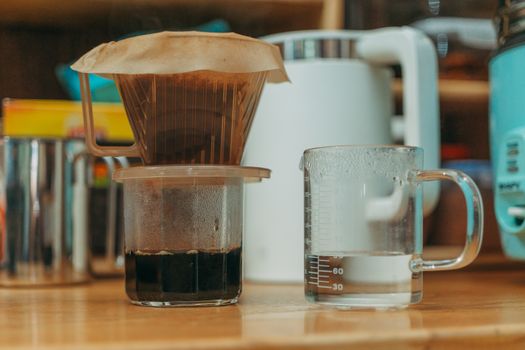
For a DIY approach, you can create a basic filter using sand, gravel, and charcoal.
DIY Water Filter:
- Materials needed: A clean container (like a plastic bottle), sand, gravel, and activated charcoal.
- Layer your materials: Start with a layer of gravel, then sand, and finally a layer of activated charcoal on top.
- Pour water slowly: Allow the water to pass through the layers, which will filter out impurities.
3. Chemical Purification
Using chemicals can be an effective way to purify water. Common chemicals include chlorine bleach and iodine.
Using Chlorine Bleach:
- Use regular, unscented bleach: Make sure it contains 5-9% sodium hypochlorite.
- Add the right amount: For every gallon of clear water, add 8 drops of bleach. For cloudy water, double the amount.
- Mix and wait: Stir well and let it sit for 30 minutes. If the water doesn’t have a slight bleach smell, repeat the process.
4. Solar Water Disinfection (SODIS)
If you have access to sunlight, you can use it to disinfect water through a method called Solar Water Disinfection (SODIS). This method is effective in killing pathogens using UV radiation.
How to SODIS:
- Fill clear plastic bottles: Use clear, PET plastic bottles.
- Expose to sunlight: Place the bottles on a flat surface under direct sunlight for at least 6 hours (or 2 days in cloudy weather).
- Store properly: After SODIS, the water can be consumed directly from the bottle.
5. Combination of Methods
In some cases, using a combination of methods may offer the best results. For instance, you could filter the water first and then boil it, or use chemical purification after filtering.
Preparing for Emergencies
It's essential to prepare for water emergencies in advance. Here are a few tips:
- Keep a water purification kit handy, including filters and chlorine bleach.
- Store clean water in sealed containers.
- Familiarize yourself with local water sources and their potential contamination risks.
- For detailed plans and resources, consider visiting Ted Water DIY for more information on effective water purification methods.
Conclusion
In emergency situations, having the knowledge and tools to purify water is vital for survival. Whether you choose boiling, filtration, chemical purification, or solar disinfection, each method can provide you with safe drinking water. Remember to prepare in advance and familiarize yourself with these techniques to ensure you are ready when the need arises.
FAQ
1. How long can I store purified water?
You can store purified water indefinitely if kept in clean, sealed containers. However, it's recommended to rotate your water supply every six months.
2. Can I use scented bleach for water purification?
No, do not use scented or colored bleach. Only use regular, unscented bleach for water purification.
3. Is boiling water the only method I should use?
Boiling is a highly effective method, but it’s good to know multiple purification methods. Depending on your situation and resources, you may prefer filtration or chemical methods.
📚 Related Articles
🔨 Want 16,000+ Water DIY Plans?
Get instant access to step-by-step plans with blueprints and cut lists.
Get Instant Access →