Understanding Well Water Quality
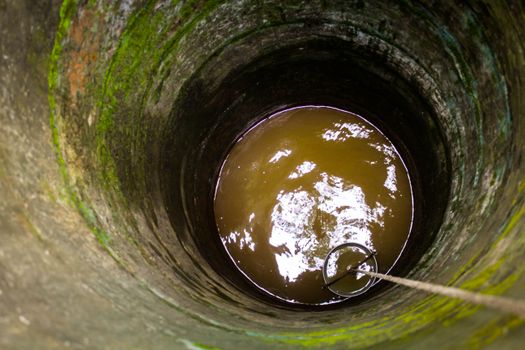
When you rely on well water for your home, understanding its quality is crucial before diving into any DIY systems. Well water is sourced from underground aquifers and can be influenced by various factors, including location, surrounding land use, and geological formations. Before building any DIY systems that utilize this water, here are some essential points to consider.
Why Water Quality Matters
Water quality directly impacts the safety and effectiveness of your DIY projects. Poor quality water can lead to:
- Health Risks: Contaminated water can cause a range of health issues, from gastrointestinal problems to long-term illnesses.
- System Efficiency: Impurities can clog filters and damage appliances, leading to costly repairs.
- Flavor and Odor: Unpleasant tastes or smells can render water unsuitable for drinking and cooking.
Common Contaminants in Well Water
Before setting up your DIY systems, familiarize yourself with common contaminants that may be present in well water:
- Bacteria: E. coli and coliform bacteria are common in untreated well water.
- Nitrates: Runoff from fertilizers can lead to high nitrate levels, posing health risks, especially for infants.
- Heavy Metals: Lead, arsenic, and other heavy metals can seep into well water from old pipes or natural sources.
- Pesticides: Agricultural chemicals can contaminate groundwater, affecting water quality.
- Hardness: Minerals such as calcium and magnesium can make water hard, affecting its usability.
Testing Your Well Water
To determine the quality of your well water, conducting a comprehensive water test is essential. Here's how to go about it:
Step 1: Choose a Testing Method
You can test your well water using:
- Home Test Kits: Available at hardware stores, these kits can provide a quick overview of water quality.
- Laboratory Testing: For more accurate results, send a sample to a certified lab. This is recommended for potential contaminants like heavy metals.
Step 2: Collecting a Water Sample
Follow these tips for accurate sampling:
- Use clean, sterilized containers.
- Run the water for a few minutes before sampling.
- Follow any specific instructions provided by the test kit or lab.
Step 3: Analyzing Results
Once you receive your results, compare them against EPA standards. If contaminants are present, you may need to consider treatment options.
Treating Contaminated Well Water
If your well water test reveals contamination, you have several treatment options:
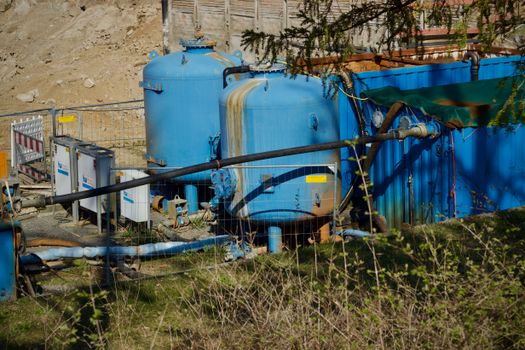
- Filtration Systems: These systems can remove particles and some contaminants. Options include activated carbon filters and reverse osmosis systems.
- Disinfection: Chlorination or UV treatment can kill bacteria and viruses in the water.
- Water Softeners: If hard water is an issue, consider installing a water softener.
Building Your DIY Systems with Confidence
Once you have a solid understanding of your well water quality and any necessary treatments, you can confidently move forward with your DIY projects. Here are some basic tools and materials you may need:
- Basic hand tools (screwdrivers, wrenches, pliers)
- Water filtration systems or components (if applicable)
- Water testing kits
- Safety gear (gloves, goggles)
Resources for DIY Plans
If you’re looking for detailed plans and ideas for your DIY water systems, Ted Water DIY offers a fantastic range of resources. Their plans can guide you through various projects, ensuring you have the knowledge and tools to create effective water systems tailored to your needs.
Regular Maintenance and Monitoring
To ensure the continued quality of your well water, regular maintenance is key:
- Test your water at least once a year.
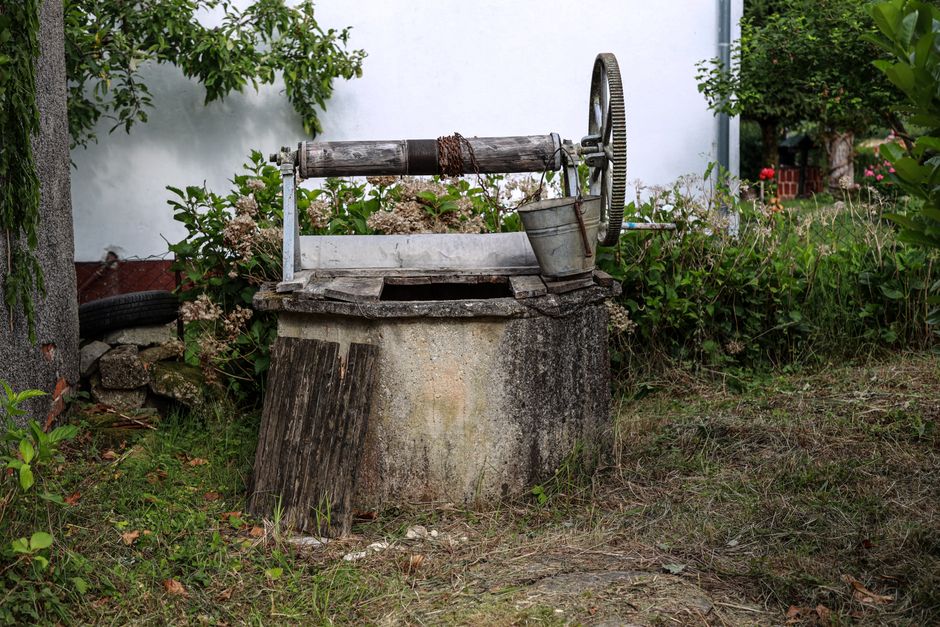
- Inspect the wellhead and surrounding area for any potential contaminants.
- Keep records of your water quality tests and any maintenance performed.
Conclusion
Understanding well water quality is an essential first step before embarking on any DIY systems. By testing your water, addressing contaminants, and utilizing resources like Ted Water DIY, you can ensure your projects are safe and effective. Remember, taking the time to understand your water will pay off in the long run, both for your health and your DIY success.
FAQ
- How often should I test my well water? It is recommended to test your well water at least once a year for contaminants.
- What should I do if my well water is contaminated? Consider treatment options such as filtration or disinfection, and consult a professional if necessary.
- Can I rely solely on home testing kits? While home kits can provide quick results, laboratory testing is recommended for a more comprehensive analysis.
🔨 Want 16,000+ Water DIY Plans?
Get instant access to step-by-step plans with blueprints and cut lists.
Get Instant Access →