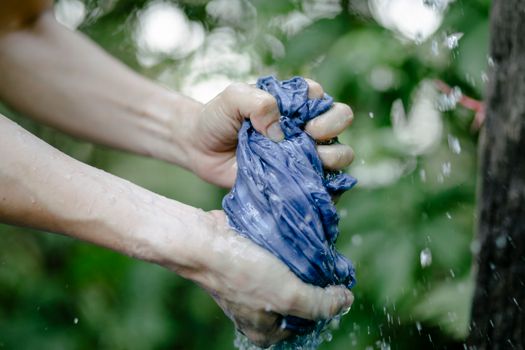
Understanding Hard Well Water Problems
Hard well water is a common issue for many households, characterized by high levels of dissolved minerals, particularly calcium and magnesium. These minerals can lead to a variety of problems, including scale buildup in plumbing fixtures, appliances, and even furniture finishes. As a seasoned DIY enthusiast, addressing these issues requires a blend of advanced techniques and precision, especially when it comes to building furniture or home fixtures that can withstand the effects of hard water.
1. Assessing the Impact of Hard Water
Before embarking on any DIY project, it is crucial to understand how hard water affects your specific situation:
- Scale Buildup: This occurs in plumbing fixtures and appliances, leading to decreased efficiency and potential damage.
- Staining: Hard water can leave unsightly stains on sinks, tubs, and even wooden surfaces.
- Corrosion: Over time, the minerals in hard water can corrode plumbing pipes, leading to leaks and costly repairs.
2. Selecting the Right Materials
When building furniture or fixtures that will be exposed to hard water, choosing the right materials is paramount. Here are some recommendations:
- Water-Resistant Finishes: Opt for finishes like marine varnish or polyurethane that offer increased water resistance.
- Composite Materials: Materials like MDF or particleboard can be more resistant to water damage than solid wood.
- Sealants: Use high-quality sealants to protect joints and seams from moisture ingress.
3. Advanced Joinery Techniques
Joinery is a critical aspect of furniture building, especially when dealing with the challenges posed by hard water. Here are some advanced techniques:
Mortise and Tenon Joints
This classic joinery technique offers strength and durability. By creating a mortise in one piece and a matching tenon on the other, you can ensure a tight fit that resists moisture infiltration. Use a waterproof wood glue for added protection.
Dovetail Joints
Dovetail joints are not only aesthetically pleasing but also provide exceptional strength. They can be used in drawer construction, ensuring that the pieces remain intact even when exposed to moisture. When constructing dovetail joints, precision cutting is vital for a professional finish.
Box Joints
Box joints are another strong option for securing corners. They are relatively easy to make and can be enhanced with waterproof glue. The exposed end grain can be sealed to prevent moisture absorption.
4. Ensuring a Professional Finish
A professional finish can significantly enhance the durability of your furniture against hard water. Here are some tips:
- Surface Preparation: Sand surfaces thoroughly and wipe them clean before applying any finishes. This helps in achieving a smooth and even application.
- Layering Finishes: Apply multiple thin coats of finish rather than one thick coat. This not only provides better protection but also allows for a more refined appearance.
- Regular Maintenance: Periodically check and reapply finishes to maintain their protective qualities. This is especially important in areas frequently exposed to water.
5. Incorporating Water Softening Solutions
One effective way to combat hard water issues is to incorporate water softening solutions into your home. Here are a few options:
- Water Softener Systems: These systems can be installed at your main water supply, reducing the hardness of the water before it reaches your fixtures and furniture.
- Descaling Agents: Regularly use descaling agents to keep your appliances and fixtures free from mineral buildup.
- Filtration Systems: Consider installing filtration systems that target specific hard water minerals, providing cleaner water for both drinking and household use.
6. Additional Tips for Long-Lasting Furniture
Here are some additional tips to ensure your furniture remains resilient against hard water:
- Use Coasters: Always place coasters under cups and glasses to prevent water rings and stains on wood surfaces.
- Avoid Direct Contact: When possible, minimize direct contact of furniture with water. Use trays or mats to catch water spills.
- Educate Household Members: Make sure everyone in your home understands the importance of caring for furniture that may be affected by hard water.
For more detailed plans and resources on tackling hard well water issues in your DIY projects, consider visiting Ted Water DIY. They offer a wealth of information and plans that can help guide you in creating resilient furniture and fixtures.
Conclusion
By understanding the impacts of hard well water and employing advanced joinery techniques along with professional finishing methods, you can create furniture that not only looks great but also stands the test of time. With the right materials, craftsmanship, and care, your DIY projects can thrive even in challenging conditions.
FAQs
1. What are the signs of hard well water in my home?
Common signs include scale buildup on fixtures, stains on sinks and bathtubs, dry skin after bathing, and reduced water pressure.
2. Can I treat hard water myself?
Yes, you can install water softeners or use descaling agents, but for extensive issues, consulting a professional may be advisable.
3. How often should I maintain my water softening system?
Maintenance frequency can vary, but generally, it's good to check your system every few months and replace salt or filters as needed.
📚 Related Articles
🔨 Want 16,000+ Water DIY Plans?
Get instant access to step-by-step plans with blueprints and cut lists.
Get Instant Access →