What is the Best Home Water Purification Method for Emergencies?
When disaster strikes, having access to clean drinking water can be a lifesaver. Whether it's due to natural disasters, a broken water supply, or contamination issues, being prepared with a reliable home water purification method is essential. In this article, we will guide you through some of the best home water purification methods for emergencies, focusing on simplicity and the tools you likely already have at home.
Understanding Water Contamination
Before we dive into purification methods, it's important to understand what can contaminate your water. Common contaminants include:
- Bacteria and viruses
- Parasites
- Heavy metals
- Chemicals and pollutants
Knowing these contaminants will help you choose the right purification method for your emergency situation.
Top Emergency Water Purification Methods
Here are three reliable methods to purify water at home during emergencies:
1. Boiling Water
Boiling is one of the simplest and most effective methods to purify water. It kills bacteria, viruses, and parasites.
Steps to Boil Water:
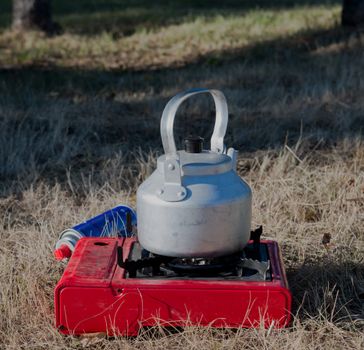
- Gather a heat source (stove, campfire, etc.) and a pot or kettle.
- Fill the pot with water.
- Bring the water to a rolling boil for at least 1 minute (or 3 minutes at higher altitudes).
- Let it cool before drinking.
Boiling is effective but requires a fuel source, so it’s essential to consider this in emergency preparedness.
2. DIY Water Filter
Creating a DIY water filter can be an excellent way to remove larger particles and some contaminants from water. This method utilizes common household materials.
Materials Needed:
- Plastic bottle or container
- Sand
- Gravel
- Activated charcoal (if available)
- Cotton or coffee filter
Steps to Create a DIY Water Filter:
- Cut the plastic bottle in half, using the top half as a funnel.
- Place a cotton ball or coffee filter in the neck of the bottle to prevent materials from escaping.
- Add a layer of activated charcoal (if available) on top of the cotton.
- Add a layer of sand, followed by a layer of gravel.
- Pour contaminated water into the top and collect filtered water from the bottom.
This method is great for removing sediments and larger particles, but it does not kill pathogens. Always follow up with boiling or chemical treatment.
3. Chemical Purification
If boiling water is not an option, you can use chemical treatments to purify your water. Common chemicals include chlorine bleach and iodine.
Using Chlorine Bleach:
- Ensure the bleach is unscented and contains 5-9% sodium hypochlorite.
- Add 8 drops per gallon of clear water (or 16 drops for cloudy water).
- Stir and let it sit for at least 30 minutes before using.
Using Iodine:
- Use tincture of iodine (2% solution).
- Add 5 drops per quart of clear water (or 10 drops for cloudy water).
- Let it sit for at least 30 minutes before using.
These chemical methods are effective for killing bacteria and viruses but may not remove sediments or heavy metals, so combine them with filtration when possible.
Preparing Your Emergency Water Kit
It's wise to have an emergency water kit ready. Here are some essential components to include:
- Water containers
- Portable water filter
- Boiling pot or kettle
- Chlorine bleach or iodine tablets
- Instruction manual for purification methods (like those from Ted Water DIY)
Regularly check and replace items in your emergency kit to ensure everything is in working order.
Conclusion
In emergencies, having access to clean drinking water is crucial. Understanding and implementing these simple water purification methods can help you and your family stay safe. Remember to stay informed and periodically practice these methods to ensure you are ready when the time comes.
FAQ
1. How long can I store purified water?
Purified water can be stored for up to six months if kept in a cool, dark place. Always check for any signs of contamination before use.
2. Can I use tap water for purification?
Yes, as long as your tap water is not visibly contaminated. You can boil it or use chemical methods to ensure it is safe to drink.
3. Are there any portable water purification systems?
Yes, there are various portable water purifiers and filtration systems available commercially. They are great for camping or emergency situations.
📚 Related Articles
🔨 Want 16,000+ Water DIY Plans?
Get instant access to step-by-step plans with blueprints and cut lists.
Get Instant Access →