Introduction
In times of crisis, having access to clean drinking water can be a challenge, especially during extended outages caused by natural disasters, contamination, or infrastructure failures. Understanding how to build a DIY water purification system can save you money and ensure your family stays hydrated. In this article, we will explore cost-effective methods to purify water at home, focusing on budget builds and affordable materials.
Understanding Water Contaminants
Before diving into DIY purification methods, it’s essential to understand the types of contaminants that may be present in your water supply. Common contaminants include:
- Bacteria: Harmful microorganisms that can cause illness.
- Viruses: Even smaller than bacteria and can also lead to severe health issues.
- Parasites: Organisms that can compromise your health.
- Chemicals: Pesticides, heavy metals, and industrial waste can contaminate water sources.
- Suspended solids: Dirt, sand, and other particles that affect water clarity and taste.
Basic DIY Water Purification Methods
Here are several budget-friendly methods to purify water at home:
1. Boiling
Boiling is one of the simplest and most effective methods to purify water. It kills most pathogens and is easily accessible. Here’s how to do it:
- Fill a pot with water.
- Bring the water to a rolling boil for at least 1 minute (3 minutes at higher elevations).
- Allow the water to cool before drinking.
Cost: Minimal. Just the price of fuel or electricity to boil the water.
2. Filtration
Using a simple filtration system can remove larger particles and some contaminants. You can build a basic filter using common materials:
- Materials Needed:
- Plastic bottle (cut in half)
- Sand
- Activated charcoal
- Gravel or small stones
- Cotton or coffee filter
- Instructions:
- Place the cotton or coffee filter at the bottom of the bottle (the neck side).
- Add a layer of gravel, followed by a layer of activated charcoal, and then sand on top.
- Pour water through the filter and collect the purified water in a clean container.
Cost: Around $10-$15 for materials, depending on local prices.
3. Solar Water Disinfection (SODIS)
This method uses sunlight to purify water. It’s particularly useful in sunny climates and is incredibly low-cost:
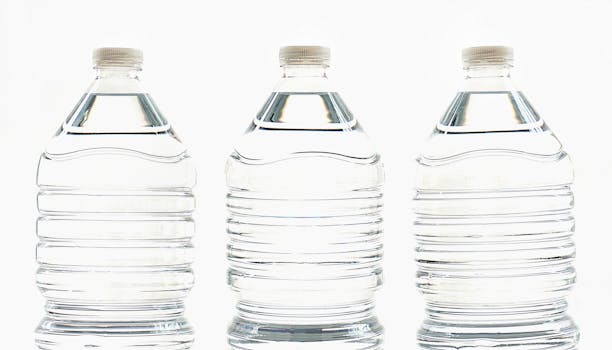
- Fill clear plastic bottles with water.
- Place the bottles in direct sunlight for at least 6 hours (up to 48 hours for cloudy days).
- The UV rays will kill pathogens in the water.
Cost: Free if you have clear plastic bottles!
4. Chemical Purification
Using household bleach can purify water when no other methods are available. Ensure the bleach contains 5-9% sodium hypochlorite and no additives:
- Add 8 drops of bleach per gallon of water.
- Stir and let it sit for 30 minutes before using.
Cost: A gallon of bleach costs about $3-$5.
Advanced DIY Water Purification Systems
If you want a more robust system for extended outages, consider building a more advanced setup:
Gravity-fed Water Filter
This system uses gravity to filter water through multiple layers, providing better purification:
- Materials Needed:
- Two food-grade buckets (one with a lid)
- Filter elements (ceramic or activated carbon)
- Hoses (if desired)
- Instructions:
- Drill holes in the lid of one bucket for the filter elements.
- Stack the buckets, with the filtered water collecting in the bottom bucket.
- Add water to the top bucket and let gravity do the work!
Cost: Approximately $30-$50 for materials.
Resources for DIY Water Purification
For detailed plans and guidance on building your water purification systems, check out Ted Water DIY. This resource offers a variety of plans that cater to different budgets and needs.
Conclusion
DIY water purification is a crucial skill to have, especially during emergencies when access to clean water is compromised. By utilizing inexpensive materials and methods, you can ensure your family stays hydrated without breaking the bank. Always remember to test your purified water and stay informed about the potential contaminants in your area.
FAQ
1. How do I know if my water is safe to drink?
Testing the water for contaminants can be done using home test kits available at hardware stores. If you suspect contamination, it's best to purify the water before consumption.
2. How long can I store purified water?
Purified water can be stored for up to six months if kept in clean, airtight containers. Ensure the storage area is cool and dark to maintain quality.
3. Can I use rainwater for drinking?
Yes, but it must be purified first. Rainwater can contain contaminants from the air and collection surfaces, so always purify it using one of the methods discussed above.
📚 Related Articles
🔨 Want 16,000+ Water DIY Plans?
Get instant access to step-by-step plans with blueprints and cut lists.
Get Instant Access →