Introduction
When it comes to emergency preparedness, having access to clean drinking water is crucial. In situations like natural disasters or unexpected outages, having a reliable water filtration system can make all the difference. In this article, we will compare DIY water filters with store-bought systems, focusing on their effectiveness, cost, and convenience.
What is a DIY Water Filter?
A DIY water filter is a homemade system that typically uses simple materials to filter out impurities from water. These can range from basic setups using sand and charcoal to more complex designs utilizing multiple filtration layers.
Tools Needed for DIY Water Filters
- Plastic Containers: Used to hold the layers of filtration materials.
- Sand: Helps to filter out larger particles.
- Activated Charcoal: Effective in removing chemicals and odors.
- Gravel: Helps with drainage and filtration.
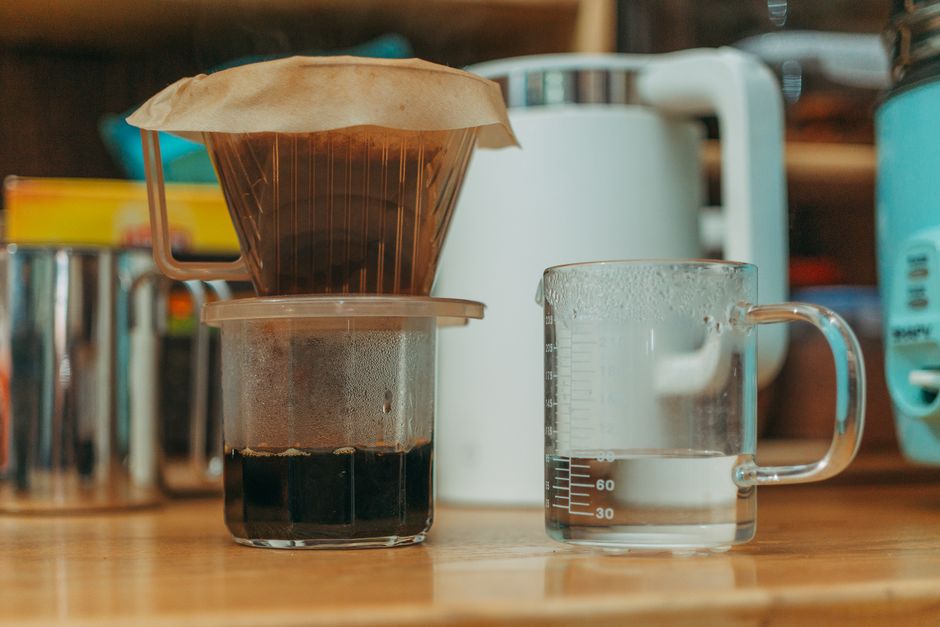
- Cotton or Coffee Filters: Acts as a final barrier to catch small particles.
Pros and Cons of DIY Water Filters
- Pros:
- Cost-effective: Generally cheaper than store-bought systems.
- Customizable: You can tailor the materials to your needs.
- Educational: Building your own filter teaches valuable skills.
- Cons:
- Time-consuming: Requires effort and time to build.
- Less reliable: May not filter out all contaminants effectively.
- Maintenance: Needs regular cleaning and replacement of materials.
What are Store-Bought Water Filtration Systems?
Store-bought water filtration systems are pre-manufactured units designed to filter water efficiently. They come in various forms, including pitcher filters, faucet-mounted systems, and under-sink units.
Popular Store-Bought Water Filtration Systems
- Brita Pitcher Filter: A popular option for home use, it uses activated carbon and ion exchange to reduce contaminants.
- Berkey Water Filter: A highly regarded system designed for emergencies, capable of filtering bacteria and viruses.
- ZeroWater Pitcher: Features a 5-stage filtration system that removes dissolved solids, making it suitable for emergency kits.
Pros and Cons of Store-Bought Systems
- Pros:
- Efficiency: Designed to effectively remove a wide range of contaminants.
- Convenience: Ready to use right out of the box, with minimal setup required.
- Consistency: Provides reliable and consistent water quality.
- Cons:
- Cost: Generally more expensive than DIY options.
- Dependency: Requires access to replacement filters, which can be an issue in emergencies.
- Limited customization: Less flexibility in terms of filtration capabilities.
Comparing Effectiveness
When it comes to effectiveness, store-bought systems typically outperform DIY filters. Many commercial systems are rigorously tested and certified to meet specific safety standards. In contrast, DIY filters can vary greatly in effectiveness, depending on the materials used and how well they are constructed.
Cost Considerations
Cost is often a deciding factor for many people. DIY filters can be made for under $30, depending on the materials you choose. Store-bought systems can range from $20 to several hundred dollars, depending on their complexity and capacity. However, when considering long-term use, store-bought systems may save money in replacement filters and maintenance.
Convenience Factor
In an emergency, convenience is key. Store-bought systems are typically easier to use; you simply fill them with water and allow them to filter. DIY filters require assembly and may take longer to provide clean water, especially if you're using multiple filtration steps.
Conclusion
Ultimately, the choice between DIY and store-bought water filtration systems depends on your individual needs, budget, and the specific circumstances of an emergency. If you are a hands-on person who enjoys DIY projects, creating your own water filter can be a rewarding experience. However, if you prefer convenience and guaranteed effectiveness, a store-bought system may be the better choice.
For those interested in DIY water filtration projects, resources like Ted Water DIY offer a variety of plans and guides to help you get started.
FAQ
1. Can DIY water filters effectively remove all contaminants?
No, while DIY filters can reduce some contaminants, they may not effectively remove all pathogens, chemicals, or heavy metals. For complete safety, a certified filter is recommended.
2. How often should I replace the materials in a DIY water filter?
It is generally advised to replace the materials every few weeks or after filtering a significant amount of water to ensure optimal performance.
3. Are there any specific emergency situations where one option is better than the other?
In a prolonged emergency situation where resources are scarce, a DIY filter can be an effective and low-cost solution. However, for quick access to clean water, a store-bought system is usually more reliable.
📚 Related Articles
🔨 Want 16,000+ Water DIY Plans?
Get instant access to step-by-step plans with blueprints and cut lists.
Get Instant Access →