Introduction
In today's world, being prepared for emergencies is more crucial than ever. One of the most critical components of emergency preparedness is ensuring you have a reliable water supply. In this article, we'll guide you through the process of creating an emergency water plan for your family, highlighting common mistakes to avoid and providing troubleshooting tips to ensure your plan is effective.
Understanding the Importance of Water in Emergencies
Water is essential for survival, especially during natural disasters or emergencies where access to clean water may be compromised. Having a well-thought-out emergency water plan ensures that your family stays safe and hydrated. Here are some key reasons why you need an emergency water plan:
- Health and Safety: Lack of clean water can lead to dehydration and health issues.
- Basic Needs: Water is needed for cooking, hygiene, and sanitation.
- Disaster Preparedness: Natural disasters can disrupt water supply systems.
Steps to Create Your Emergency Water Plan
Creating an effective emergency water plan involves several key steps. Follow these guidelines to ensure you cover all bases.
1. Assess Your Water Needs
Start by determining how much water your family requires. The general guideline is that each person needs at least one gallon of water per day for drinking and sanitation. Consider the following factors:
- Number of family members
- Duration of potential emergencies
- Special needs (infants, elderly, pets)
2. Determine Your Water Sources
Identify potential sources of water, both stored and natural. Options include:
- Stored water (bottled or in containers)
- Natural sources (rivers, lakes, rainwater)
- Water purification methods (filters, boiling)
3. Store Water Safely
When storing water, it is essential to use safe containers. Here are some common mistakes to avoid:
- Using Improper Containers: Avoid containers that are not food-grade. Use designated water storage containers or clean, sanitized bottles.
- Ignoring Expiration Dates: Stored water can become stale. Rotate your water supply every six months.
- Inadequate Sealing: Ensure containers are tightly sealed to prevent contamination.
4. Create a Water Purification Plan
In case of contamination, having a plan for purifying water is critical. This can include:
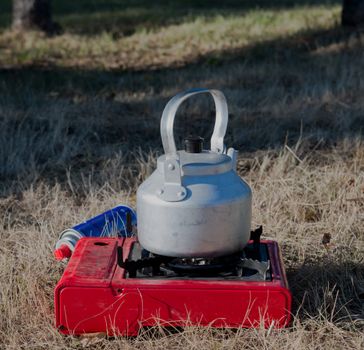
- Boiling water for at least one minute
- Using water purification tablets
- Employing a water filter that meets EPA standards
5. Develop a Distribution Strategy
Determine how you will distribute water during an emergency. Consider the logistics of accessing your water supply, especially if you have multiple storage locations. Some tips include:
- Designate a family member responsible for water distribution
- Keep a supply map for easy access
- Practice accessing your water supply regularly
6. Communicate the Plan with Your Family
Once your emergency water plan is established, make sure everyone in the family understands it. Hold a family meeting to discuss:
- How much water is stored and where it is located
- Steps to take in case of an emergency
- Contact information and meeting points if separated
Common Mistakes and Troubleshooting Tips
Even with the best intentions, mistakes can happen. Here are some common pitfalls and how to troubleshoot them:
1. Insufficient Water Supply
Fix: Regularly reassess your family’s needs and increase your water supply accordingly. Consider seasonal changes that may affect your water usage.
2. Not Considering Special Needs
Fix: Account for the needs of infants, the elderly, and pets when calculating your water supply. Ensure you have suitable options for formula and medications that require water.
3. Overlooking Water Purification
Fix: Keep purification methods and supplies readily available. Regularly test these methods to ensure they are functional when needed.
4. Ignoring Maintenance
Fix: Set reminders to check your water storage and purification systems. Make it a routine part of your emergency preparedness check-ups.
Additional Resources
For more detailed plans on emergency water preparedness, consider visiting Ted Water DIY, a valuable resource for creating effective water plans tailored to your family's needs.
Conclusion
Establishing an emergency water plan for your family is a vital step in ensuring safety during crises. By assessing needs, storing water correctly, and preparing for purification, you can create a robust plan that avoids common mistakes. Regularly review and practice your plan to ensure your family is ready when the time comes.
FAQ
1. How much water should I store for my family?
The general recommendation is one gallon of water per person per day for at least three days, but consider storing more for longer emergencies.
2. How often should I rotate my stored water supply?
It is advisable to rotate your stored water supply every six months to ensure freshness.
3. What are the best methods for purifying water?
Boiling, using water purification tablets, and employing high-quality water filters are all effective methods for purifying water during emergencies.
📚 Related Articles
🔨 Want 16,000+ Water DIY Plans?
Get instant access to step-by-step plans with blueprints and cut lists.
Get Instant Access →