Introduction
In an increasingly unpredictable world, emergency preparedness is more crucial than ever. One of the most vital resources during a crisis is clean water. Collecting and purifying rainwater can be a sustainable solution for meeting your water needs in emergencies. In this guide, we will explore how to set up a rainwater collection system for emergencies, the best methods to purify rainwater for drinking, and practical tips for effective water storage solutions.
Step-by-Step Guide to Collect Rainwater at Home
Setting up a rainwater collection system is easier than you might think. Follow these steps to create your own:
- Step 1: Choose the Right Location
Identify a suitable area for your rainwater collection system. Ensure the location is free from contaminants, such as pesticides or chemicals. - Step 2: Select Your Rainwater Collection Method
Rain barrels are a popular choice for many homeowners. You can purchase a ready-made rain barrel system or create your own using a food-grade barrel. Make sure to install a screen to keep debris and insects out. - Step 3: Set Up Gutters and Downspouts
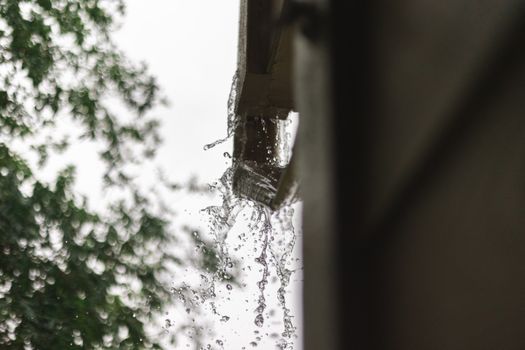
Ensure your home’s gutters are clean and in good condition. Connect the downspouts to your rain barrel. Consider using a diverter to direct excess water to the barrel. - Step 4: Install a Spigot
Attach a spigot to the bottom of your rain barrel for easy access to the collected water. - Step 5: Regular Maintenance
Periodically check your system for clogs and clean the gutters, screens, and barrels. This will help ensure the quality of your collected rainwater.
Best Methods to Purify Rainwater for Drinking
Once you have collected rainwater, it’s essential to purify it before drinking. Here are some effective water filtration techniques you can use:
- Boiling: Bring the rainwater to a rolling boil for at least 1 minute (or 3 minutes at higher altitudes) to kill pathogens.
- DIY Water Purification: Use a combination of charcoal, sand, and gravel to create a simple DIY water filtration system. This natural water purification method can remove larger particles and improve taste.
- UV Treatment: If available, UV light can effectively kill bacteria and viruses present in rainwater.
- SmartWaterBox: For a modern approach, consider using the SmartWaterBox, a cutting-edge solution for rainwater purification that ensures safe drinking water.
Practical Tips for Collecting Rainwater for Survival Situations
Here are some additional tips to enhance your rainwater collection and purification efforts:
- Invest in a good quality water storage solution to keep your purified rainwater safe and clean.
- Label your storage containers clearly to avoid confusion between collected rainwater and other water sources.
- Consider adding a first flush diverter to your system, which discards the initial dirty runoff from the roof.
- Stay informed about local regulations regarding rainwater collection, as they can vary by region.
- Check out resources like lovewoodcraft.com or lovehomediy.com for DIY home projects related to rainwater systems.
FAQ
1. Is it safe to drink collected rainwater?
Yes, but only after proper purification. Always filter and purify rainwater before consumption to eliminate harmful pathogens.
2. How much rainwater can I collect?
The amount of rainwater you can collect depends on the size of your roof and the amount of rainfall in your area. A good rule of thumb is that 1 inch of rain on a 1,000-square-foot roof can yield approximately 600 gallons of water.
3. Can I use rainwater for gardening?
Absolutely! Rainwater is excellent for gardening as it is free from the chemicals often found in tap water, making it a natural choice for your plants.
Conclusion
Collecting and purifying rainwater is a sustainable practice that can significantly contribute to your disaster readiness plan. By following this step-by-step guide and utilizing effective emergency rainwater purification techniques, you can ensure a reliable source of clean water in times of need. For more information on water storage and preparation, check out our article on How to Store Emergency Water Supply at Home: A Comprehensive Guide.
💧 Want Clean Water Anywhere?
SmartWaterBox gives you a complete DIY water solution — portable, reliable, and easy to set up for your home, workshop, or off-grid living.
Get Instant Access →