Introduction
As urban areas continue to grow, the need for sustainable water solutions becomes more pressing. One effective way to address this issue is through rainwater harvesting. By collecting rainwater, you can reduce your water bill, lessen your environmental footprint, and have access to clean water for various uses. In this article, we will focus on building a cost-effective DIY rainwater collection system using a Smart Water Box.
Understanding the Smart Water Box
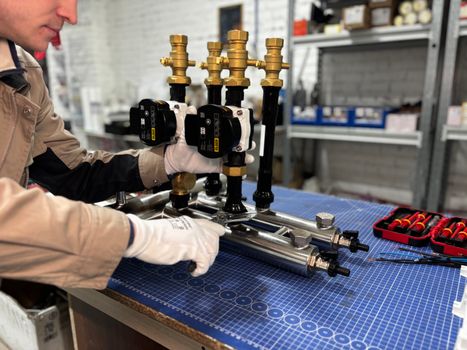
The Smart Water Box is a compact and efficient system designed for urban settings. It allows you to collect and store rainwater while ensuring that it remains clean and safe for use. This system is particularly beneficial for those living in cities where space is limited. It also features a filtration system that keeps your water free from debris and contaminants.
Why Choose Rainwater Harvesting?
- Cost Savings: Reducing your reliance on municipal water can lead to significant savings on your water bill.
- Environmental Impact: Collecting rainwater helps alleviate the burden on stormwater systems and reduces runoff pollution.
- Self-Sufficiency: Having a supply of rainwater can provide you with water for gardening, washing cars, or even household use when treated properly.
Budget Build: Materials Needed
Building a rainwater collection system doesn’t have to break the bank. Here’s a list of affordable materials you’ll need to get started:
- Smart Water Box: You can often find these at home improvement stores or online for a reasonable price.
- Gutter System: If you don’t already have gutters installed, consider using inexpensive vinyl or aluminum gutters.
- Downspout Diverter: This device will help direct rainwater from your gutters into the Smart Water Box.
- Filtration System: Simple mesh filters can be purchased to prevent debris from entering the system.
- Sealants and Connectors: Use affordable sealants and connectors to ensure your system is watertight.
- Optional: Rain Gauge: This will help you monitor how much rainwater you are collecting.
Step-by-Step Guide to Building Your Rainwater Collection System
Now that you have your materials ready, let’s walk through the steps to set up your rainwater collection system.
Step 1: Install the Gutter System
Begin by installing gutters on your roof if you don’t already have them. Make sure they are angled correctly to direct water towards the downspouts. This can typically be done with basic tools and minimal skills.
Step 2: Set Up the Downspout Diverter
Next, install the downspout diverter. This device will allow you to redirect rainwater into the Smart Water Box while still allowing excess water to flow through to the drainage system. Follow the manufacturer’s instructions for proper installation.
Step 3: Position the Smart Water Box
Choose a location for your Smart Water Box that is easily accessible and close to the downspout. Ensure the area is level to prevent any tipping or overflow issues.
Step 4: Connect Everything
Using connectors, link the downspout diverter to the Smart Water Box. Make sure to seal all connections with waterproof sealant to prevent leaks. This is crucial for maintaining the integrity of your system.
Step 5: Add the Filtration System
Place a mesh filter at the entrance of the Smart Water Box to catch leaves and debris. This simple step will help keep your stored water clean.
Step 6: Monitor and Maintain Your System
Regularly check your gutters, downspouts, and the Smart Water Box for debris and blockages. Keeping your system clean will ensure optimal water collection and quality.
Cost-Saving Tips for Your DIY Rainwater Collection System
Here are some additional cost-saving tips to help you build your rainwater collection system on a budget:
- Shop Sales: Look for sales at local home improvement stores or online retailers to find discounts on materials.
- Use Recycled Materials: Consider using recycled gutters or containers to save money.
- DIY Filtration: Instead of purchasing a commercial filtration system, you can create your own using simple materials like sand and gravel.
- Community Resources: Check with local community programs that may offer discounts or grants for rainwater harvesting systems.
Conclusion
Installing a DIY rainwater collection system using a Smart Water Box is an excellent way to save money while promoting sustainability in urban areas. With the right materials and a little effort, you can have access to clean water for various applications. For more detailed plans and resources, check out Ted Water DIY, where you can find additional guidance on building your own rainwater harvesting system.
FAQ
1. Is rainwater safe to drink?
Rainwater can be safe to drink if it is properly filtered and treated. It’s essential to ensure that your collection system is clean and that you follow guidelines for purifying rainwater.
2. How much rainwater can I collect?
The amount of rainwater you can collect depends on the size of your roof and the rainfall in your area. Generally, a 1,000 square foot roof can produce about 600 gallons of water from one inch of rain.
3. What can I use collected rainwater for?
Collected rainwater can be used for irrigation, washing cars, flushing toilets, and even for household use if properly treated.
📚 Related Articles
🔨 Want 16,000+ Water DIY Plans?
Get instant access to step-by-step plans with blueprints and cut lists.
Get Instant Access →