Introduction
When you're out in the wilderness or facing an emergency situation, access to clean drinking water is crucial. Purifying water from streams and rivers is an essential skill that can help you stay hydrated and healthy. In this guide, we'll walk you through simple methods to purify water using basic tools and materials.
Why Purify Water?
Water from natural sources like streams and rivers can contain harmful bacteria, viruses, and parasites. Purifying this water ensures that it is safe to drink and helps prevent illnesses. Here are some common contaminants:
- Pathogenic bacteria (e.g., E. coli)
- Viruses (e.g., Hepatitis A)
- Protozoa (e.g., Giardia)
- Chemicals and heavy metals
Basic Methods for Purifying Water
There are several methods to purify water, each with its own advantages and considerations. Here are the three most common methods that require minimal tools:
1. Boiling
Boiling water is one of the simplest and most effective methods to kill pathogens. Here’s how to do it:
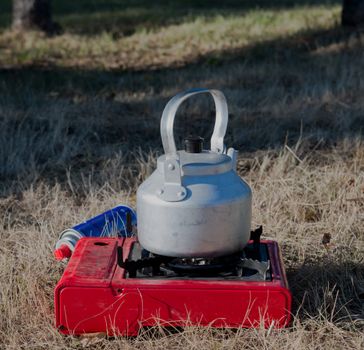
- Gather your materials: You need a heat source (like a campfire or portable stove), a pot or container, and water.
- Fill the pot: Collect water from the stream or river in your pot.
- Heat the water: Bring the water to a rolling boil.
- Boil for at least 1 minute: If you are at higher altitudes (above 6,500 feet), boil for 3 minutes.
- Cool and store: Let the water cool before transferring it to a clean container for drinking.
2. Filtration
If you have access to basic materials, you can create a DIY water filter. This method helps remove sediments, larger particles, and some pathogens.
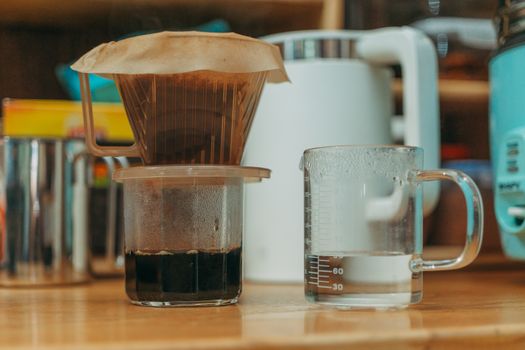
- Gather materials: You’ll need a container (like a bottle), sand, gravel, charcoal, and a cloth or coffee filter.
- Prepare the filter: Cut the bottom off the bottle. Layer the materials in the following order from bottom to top:
- Cloth or coffee filter
- Charcoal (activated is best)
- Sand
- Gravel
- Pour water: Slowly pour the contaminated water into the top of the filter.
- Collect filtered water: The water will drip into the container below. This water is cleaner but should still be boiled for safety.
3. Chemical Treatment
If you have access to water purification chemicals, such as iodine or chlorine tablets, this method is effective.
- Read instructions: Follow the manufacturer's instructions on dosage and wait time.
- Collect water: Fill a clean container with the contaminated water.
- Add the chemical: Use the appropriate amount of iodine or chlorine based on the volume of water.
- Wait: Allow the water to sit for the recommended time before drinking.
Additional Tips for Safe Water Collection
When collecting water from streams and rivers, consider the following tips:
- Choose the right location: Collect water from flowing sources rather than stagnant ponds.
- Avoid pollution sources: Stay upstream from areas where animals or humans might contaminate the water.
- Use a clean container: Always collect water in a clean, food-safe container.
Resources for Further Learning
For detailed plans on building your own water purification systems and more DIY projects, check out Ted Water DIY. They offer a variety of resources that can enhance your knowledge and skills.
Conclusion
Purifying water from streams and rivers is a vital skill for anyone spending time outdoors or preparing for emergencies. By using simple methods such as boiling, filtration, and chemical treatment, you can ensure that your water is safe to drink. Always remember to gather water responsibly and follow safety guidelines.
FAQ
1. How long does boiling water need to be done to ensure it's safe?
Boil water for at least 1 minute, or 3 minutes at altitudes above 6,500 feet.
2. Can I use any type of sand for filtration?
It’s best to use clean, fine sand. Avoid sand from polluted areas to ensure safety.
3. Are chemical water purifiers safe for everyone?
While generally safe, some individuals may be sensitive to iodine. Always read the instructions and consult a healthcare provider if unsure.
📚 Related Articles
🔨 Want 16,000+ Water DIY Plans?
Get instant access to step-by-step plans with blueprints and cut lists.
Get Instant Access →